

What's the Point of Wasps?
Unravelling the Enigma of Wasps: Why They Matter and How to Coexist
Wasps, notorious for their painful stings, are often underappreciated in terms of their ecological contributions. While they may not share the limelight with honeybees, these remarkable insects play an indispensable role in maintaining the intricate balance of our environment.
Decoding the Wasp World: Solitary vs. Social
Wasps can be broadly classified into two categories: solitary and social.
Solitary Wasps: Lone Rangers
Solitary wasps prefer a solitary existence and exhibit less aggression compared to their social counterparts. They often create petite nests to house their eggs and larvae. Intriguingly, some solitary wasps are parasitic, depositing their eggs in the nests of other insects.
Social Wasps: The Hive Mind
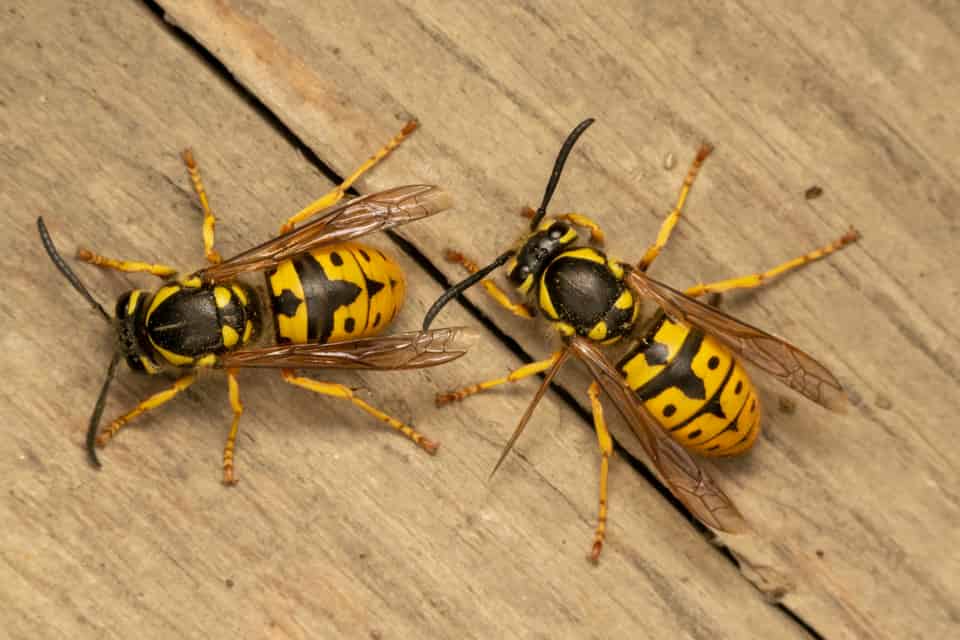
Social wasps, like common wasp or the German wasp thrive in large colonies composed of a queen, workers, and drones. They construct extensive nests, commonly found in trees, attics, or underground, and can become belligerent when they sense a threat to their colony.
The Ecological Significance of Wasps: Pest Control, Pollination, and Prey
Wasps perform a vital role, such as pest control, pollination, and serving as a food source for other species.
Pest Control
Wasps are adept predators, feasting on various insects, many of which humans consider pests. By regulating the insect population, wasps help preserve the ecological balance and reduce reliance on chemical pest control methods.
Pollination
Although not as proficient as bees, wasps also contribute to pollination. They transfer pollen between flowers while seeking nectar, facilitating plant fertilisation and reproduction. This process is crucial for fruit and vegetable growth and the survival of diverse plant species.
Food Source for Other Species
Wasps are food for several other creatures, including birds, spiders, and insects. Their presence in the food chain fosters overall ecological balance and health.
Wasps and Human Life: The Challenges
Despite their ecological significance, wasps can pose particular challenges to humans.
The Painful Sting
A wasp's sting can be extremely painful and, in some cases, hazardous. Wasps sting as a defence mechanism when threatened. Unlike bees, wasps can repeatedly sting, increasing the risk of severe pain and swelling.
Allergic Reactions
For some people, a wasp sting can provoke severe allergic reactions. It is vital for individuals with known wasp allergies to carry an epinephrine auto-injector and seek immediate medical attention if stung.
Wasps as a Nuisance
During late summer and early autumn, wasps can become a nuisance as they search for food. They are attracted to sweet substances and may hover around outdoor dining areas, rubbish bins, and fruit trees, making it difficult for people to enjoy their time outdoors.
Coexisting with Wasps: Respecting Their Space and Deterring Their Presence
Despite their occasional inconvenience, learning how to coexist with wasps and respecting their role in the ecosystem is essential.
Recognising and Respecting Their Space
Be aware of wasp nests in your surroundings and avoid disturbing them. Maintain a safe distance and remember that wasps are more likely to become aggressive if threatened.
Using Natural Wasp Repellents
Use incense, lemongrass, and clove oil to prevent wasps from entering your living spaces. These substances can be applied to outdoor areas or made into a spray to keep wasps at bay without causing harm.
Professional Wasp Control
If you encounter a wasp nest or persistent problem with wasps, contact a protecta pest control. They can safely remove the nest and provide advice on preventing future infestations.
In Conclusion: Embracing Wasps and Their Crucial Contributions
While wasps may not be the most beloved creatures, they are critical in maintaining ecological balance. By understanding their significance and learning to coexist with them, we can appreciate these fascinating insects and their essential contributions to our environment.
FAQs
Do wasps have any benefits to the environment?
Yes, wasps contribute to pest control and pollination and serve as a food source for other species.
Are all wasps aggressive?
No, solitary wasps are generally less aggressive than social wasps.
What can I do to deter wasps from my living space?
To keep wasps away, you can use natural oils like peppermint, lemongrass, and clove oil.
What should I do if I find a large wasp nest?
Contact a protecta pest control service to remove the nest and provide advice on prevention safely.
Can a wasp sting be life-threatening?
A wasp sting can trigger a severe allergic reaction, which you must treat immediately.