

The subject of pest control is rife with misconceptions that can lead homeowners astray in their efforts to maintain a pest-free environment. In this comprehensive guide, we will debunk some of the most prevalent myths surrounding pest control, shedding light on the truth behind effective pest management strategies. Our aim is to arm you with the knowledge needed to protect your home from unwanted guests, ensuring a safer and healthier living space.
Myth 1: Cheese is the Best Bait for Mice

The Cartoon Misconception
Contrary to popular belief, and much to the dismay of classic cartoon fans, cheese is not the most effective bait for catching mice. This common myth has persisted for years, leading many to stock their traps with chunks of cheddar. However, studies and real-world experiences from Protecta Pest Control suggest that mice are more attracted to foods with high sugar content and grains. Peanut butter, for instance, has proven to be a more fool proof bait due to its enticing aroma and sticky texture, which ensures that mice cannot simply grab the bait and run.
A Matter of Taste
Mice, being opportunistic feeders, are drawn to whatever food sources are readily available. While they might not turn their noses up at cheese, their preferences lean towards sweeter or grain-based foods. This preference is crucial in setting traps effectively. Bypassing the cheese and opting for peanut butter or grain-based bait can significantly increase your chances of catching these pesky rodents.
Myth 2: Cats Are an Effective Mouse Deterrent

The Feline Factor
While cats may chase mice out of boredom or hunting instinct, relying on your pet cat as the sole rodent control strategy is ineffective. Not all cats are interested in hunting, and even those that are might not be able to catch mice that hide in hard-to-reach places. Furthermore, some mice can become accustomed to avoiding cats, making your furry friend less of a deterrent than you might hope.
Integrated Pest Management
For a more reliable solution to a mouse infestation, Protecta Pest Control recommends an integrated pest management (IPM) approach. This method combines physical trapping, sealing entry points, and removing food sources to create a comprehensive defense against rodents. Professional pest control services are best equipped to implement these strategies effectively, ensuring that your home remains pest-free.
Myth 3: Pesticides are the Only Way to Eliminate Pests
The Overreliance on Chemical Solutions
Many people believe that the use of pesticides is the sole method for effective pest control. This myth can lead to an overdependence on chemical treatments, which might not always be the best or safest solution. While pesticides can play a role in pest management, they are just one part of a broader integrated pest management (IPM) strategy. IPM focuses on preventing pest problems by managing the ecosystem around your home, such as by eliminating food sources and breeding grounds, thus reducing the need for chemical interventions.
Safe and Effective Alternatives
Protecta Pest Control advocates for the use of non-chemical methods whenever possible. Mechanical traps, sealing entry points to prevent access to your home, and maintaining a clean living space are all effective ways to control pests without resorting to pesticides. When chemicals are necessary, it's crucial to use them correctly and safely, ideally under the guidance of a professional pest control service. This approach ensures the health and safety of your home environment while effectively managing pest issues.
Myth 4: A Clean Home is a Pest-Free Home

The Persistent Pest Problem
It's a common misconception that pests only infest dirty or poorly maintained homes. While cleanliness can significantly reduce the risk of pest infestations by eliminating food sources and breeding sites, even the cleanest homes can fall victim to pests. Pests are opportunistic and resourceful, capable of finding the smallest gaps or cracks as entry points into your home.
Preventive Measures for Every Home
Maintaining a clean home is undoubtedly important in pest prevention, but it should be part of a broader pest management strategy. This includes sealing cracks and gaps in your home's exterior, properly storing food, and managing waste effectively. Additionally, regular inspections by professional pest control services like Protecta Pest Control can identify potential risk factors and address them before they become a problem. Understanding that cleanliness is just one aspect of pest control can help homeowners take a more comprehensive approach to keeping their homes pest-free.
Maintaining a clean home is undoubtedly important in pest prevention, but it should be part of a broader pest management strategy. This includes sealing cracks and gaps in your home's exterior, properly storing food, and managing waste effectively. Additionally, regular inspections by professional pest control services like Protecta Pest Control can identify potential risk factors and address them before they become a problem. Understanding that cleanliness is just one aspect of pest control can help homeowners take a more comprehensive approach to keeping their homes pest-free.
Myth 5: Ultrasonic Repellents are a Fool proof Way to Repel Pests
The Truth Behind Ultrasonic Devices
Ultrasonic repellents, devices that emit high-frequency sounds purported to be unbearable for pests, are often marketed as a safe and effective way to repel rodents and insects. However, the effectiveness of these devices is highly debated. Research and field reports from Protecta Pest Control suggest that while some pests may be temporarily deterred, they often become accustomed to the noise over time, rendering these devices ineffective as a long-term solution. Additionally, there is no substantial evidence to support the claims that ultrasonic repellents can completely eliminate or repel pests from a home.
Integrated Approaches to Pest Management
Instead of relying on ultrasonic devices, homeowners should adopt a more integrated approach to pest management. This includes identifying and sealing entry points, eliminating food sources, and using traps and professional pest control services when necessary. By focusing on a combination of preventive measures and targeted treatments, homeowners can achieve a more sustainable and effective solution to pest problems.
Myth 6: DIY Pest Control is Just as Effective as Professional Services
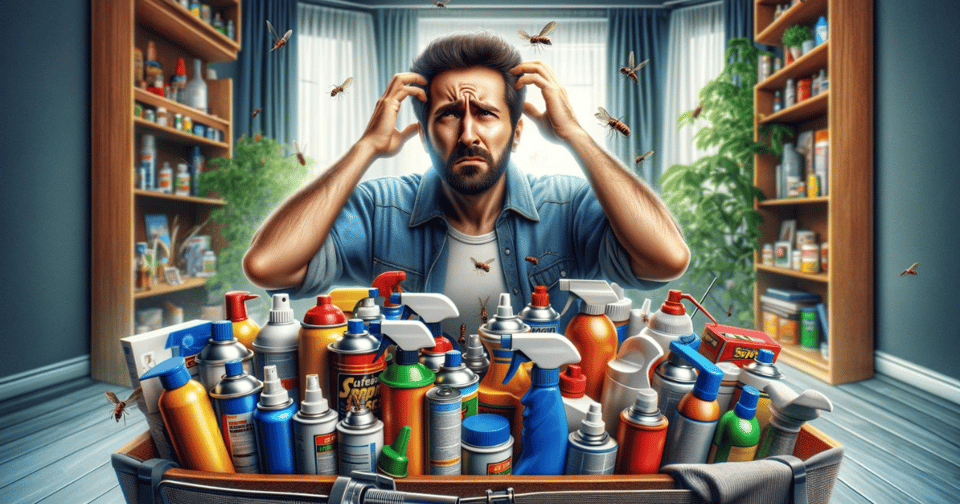
The Limitations of DIY Methods
While DIY pest control can be tempting due to its perceived cost-effectiveness, it often falls short in comparison to professional pest control services. Many over-the-counter products and homemade solutions do not address the root cause of pest infestations and may only provide temporary relief. Without the proper knowledge and tools, homeowners might misuse products, potentially causing harm to their health and the environment.
The Benefits of Professional Pest Control
Protecta Pest Control, for example, provides professional pest control services that are incredibly knowledgeable and experienced. They use safe and effective methods tailored to the specific type of pest and severity of the infestation. Professionals also implement integrated pest management strategies that not only address current infestations but also prevent future ones. By relying on professional services, homeowners can save time and avoid the frustration of ineffective DIY methods.
Myth 7: All Rodents are Harmful and Must be Eliminated
Understanding Rodent Roles in the Ecosystem
The belief that all rodents are pests that need to be eradicated from our homes and environments is a common misconception. While certain species, such as rats and mice, can pose health risks and cause damage to property, it's important to recognize that not all rodents are harmful. Many play crucial roles in ecosystems, acting as pollinators or helping to control insect populations. An indiscriminate approach to rodent control can disrupt local wildlife and ecosystems.
Balanced and Humane Pest Control Solutions
Protecta Pest Control advocates for balanced and humane approaches to managing rodent populations. This includes identifying and targeting only those species that are problematic, using humane traps, and implementing preventive measures to keep them out of homes. Integrated pest management strategies that respect the balance of nature while protecting homes and health are the most effective and sustainable approach.
Myth 8: Once Treated, Your Home Will Never Have a Pest Problem Again
The Ongoing Battle Against Pests
Many homeowners think that after having their home treated by a pest control service, it will be permanently pest-free. Unfortunately, this is not the case. Pest control is an ongoing process, as the factors that attract pests to your home (such as food sources, water, and shelter) can change over time. Additionally, pests can develop resistance to certain treatments, making it necessary to adapt strategies.
The Importance of Regular Maintenance and Monitoring
To ensure long-term protection against pests, it's crucial to engage in regular maintenance and monitoring of your home. This includes sealing up new entry points, keeping your home clean, and having routine inspections by pest control professionals. Protecta Pest Control recommends setting up a regular pest management schedule to identify potential issues before they become significant problems.
Key Takeaways
- Cheese is not the most effective bait for mice; alternatives like peanut butter are preferred.
- Cats may not always deter mice, emphasising the need for integrated pest management.
- Pesticides are just one tool in pest control, not a standalone solution.
- Cleanliness helps, but even clean homes can experience pest infestations.
- Ultrasonic repellents are not a fool proof method to repel pests.
- Professional pest control services offer more effective and safer solutions than DIY methods.
- Not all rodents are harmful, and humane control methods should be considered.
- Pest control is an ongoing process requiring regular maintenance and monitoring.
By debunking these common myths, we aim to provide homeowners with the knowledge needed to effectively manage pest problems and maintain a healthy, pest-free environment. Remember, the key to successful pest control is a combination of prevention, accurate information, and professional intervention when necessary.