
The Cost of Grey Squirrel Damage to Woodland in England and Wales: A Threat to Forests and the Bird Population
Introduction:
Grey squirrels are well-known residents of the British countryside, but their presence is not without consequences. These small, bushy-tailed creatures have become a significant concern for woodland owners, foresters, and conservationists due to the damage they cause to trees and the overall impact on the ecosystem. In this article, we will explore the extent of grey squirrel damage to woodland in England and Wales, the implications for forestry, and the cost associated with mitigating this issue. Whether you're a nature enthusiast, a landowner, or simply curious about the impact of grey squirrels, this article is worth reading to gain a deeper understanding of the problem and the measures being taken to address it.
Grey Squirrels vs our bird population:
In the 19th century, grey squirrels arrived in the UK as uninvited guests from North America. Since then, they have made themselves at home, their population exploding while the UK's native red squirrel numbers have plummeted. Grey squirrels carry a disease lethal to reds but harmless to themselves, allowing the greys to muscle out the reds for habitat and resources.
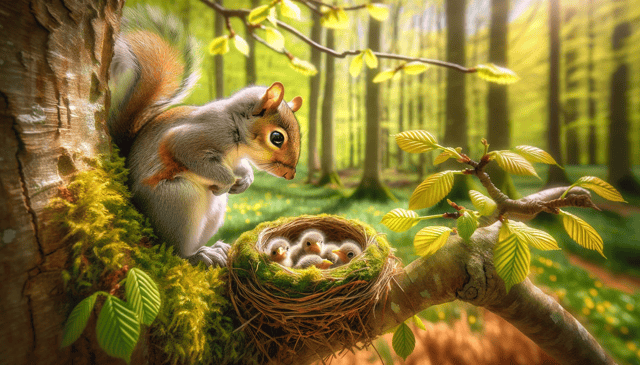
The impact of the pesky greys extends beyond the reds to UK bird populations. Grey squirrels greedily gobble up eggs and chicks, reducing breeding success across many species. And their habit of tearing off tree bark damages the trees and leaves birds scrambling for nesting spots. Conservation groups are working to control the grey squirrel infestation through humane live-trapping and other methods. Supporting these efforts can help protect vulnerable bird species and let native wildlife regain a foothold. With coordinated management, we can limit the grey squirrel's expansion and give our woodlands a fighting chance.
 Just Looking
 Uk Trees Being Stiped
 The Grey Squirrel Threat: Exploring the Impact on Woodland Health
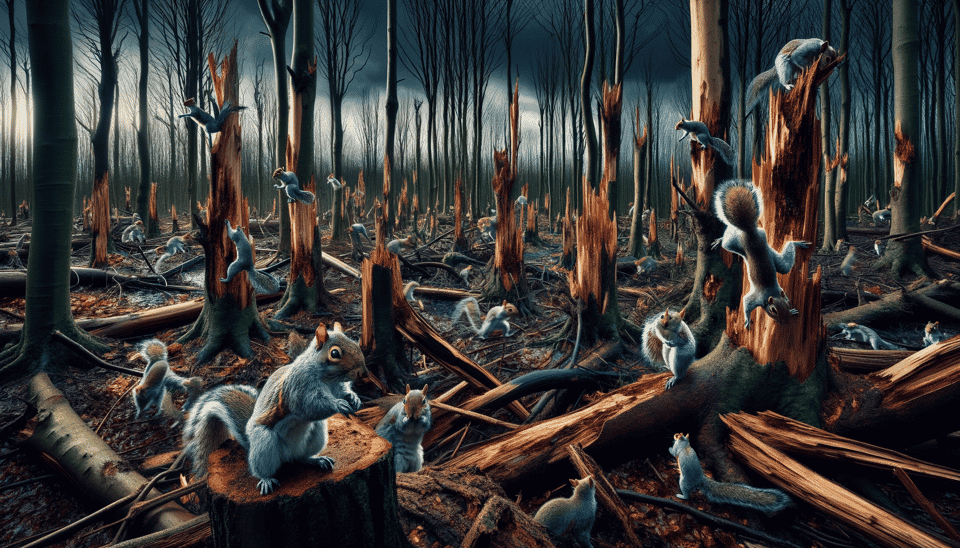
The introduced grey squirrel may appear harmless, but its impact on UK woodland health is significant. Grey squirrels aggressively strip bark from trees, causing damage that can be detrimental to tree survival, particularly in spring when bark is more vulnerable. This behavior threatens biodiversity as it destroys habitats for birds and other wildlife. Tree damage also impacts ecosystem services like carbon sequestration. While the cute grey squirrel has found its way into our hearts, we must take steps to control populations and limit their destructive behavior. With proactive management, we can protect our woodlands' health for generations to come.
Bark Stripping: A Damaging Behaviour of Grey Squirrels
Bark stripping is a behaviour exhibited by grey squirrels that involves the removal of bark from trees. The primary reason for this behavior is to access the nutritious cambium layer beneath the bark. While grey squirrels primarily feed on a variety of nuts, seeds, and fruits, they resort to bark stripping when their preferred food sources are scarce. This behaviour can be particularly destructive to trees, especially young saplings and species such as beech and sycamore, which are more susceptible to damage.
Damage to Trees: Understanding the Consequences
The damage caused by grey squirrel bark stripping can have severe consequences for trees. When the bark is stripped away, the tree's nutrient transport system is disrupted, inhibiting its growth and leaving it vulnerable to diseases and pests. Additionally, the exposed wood is prone to fungal infections, further compromising the tree's health. In some cases, the damage can be so severe that the tree may die. This is a significant concern for woodland owners and foresters, as it can lead to a loss of timber value and impact the overall productivity and biodiversity of forests and woodlands.
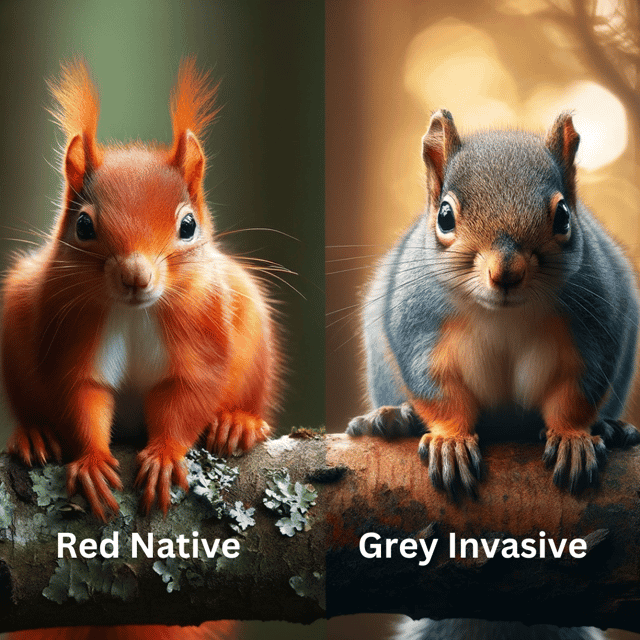 Yes they both look cute but the Reds are on the decline
Grey Squirrel Control: Strategies and Challenges
Controlling the grey squirrel population is a complex challenge. Various methods are employed to manage their numbers, including trapping, shooting, and the use of chemical contraceptives. However, these methods have limitations. Grey squirrels are highly adaptable and reproduce at a faster rate than their native red squirrel counterparts. Moreover, their ability to forage efficiently and their resilience to control measures make it difficult to achieve effective population management. Finding sustainable and humane control strategies that minimize the impact on other wildlife and the environment is an ongoing endeavor.
The Red Squirrel vs. Grey Squirrel Dilemma: A Conservation Perspective
The decline of the native red squirrel (Sciurus vulgaris) population in the presence of grey squirrels is a matter of concern for conservationists. Grey squirrels outcompete red squirrels for resources and can transmit the squirrel pox virus, which is lethal to red squirrels but doesn't affect greys. Efforts to protect and promote the red squirrel population have led to the development of the UK Squirrel Accord, which aims to manage and control grey squirrels while safeguarding the red squirrel's future.
The Economic Toll: Assessing the Cost of Grey Squirrel Damage
The cost of grey squirrel damage to woodland in England and Wales is substantial. The Forestry Commission estimates that grey squirrels cause damage ranging from £1 to £2 per tree, with an annual cost of around £14 million. This includes the loss of timber, the cost of control measures, and the impact on forest productivity. The economic implications of grey squirrel damage highlight the urgency to address the issue and find effective solutions.
Mitigation Efforts: Collaborative Initiatives and Research
Addressing the challenge of grey squirrel damage requires collaborative efforts among various stakeholders, including woodland owners, foresters, conservation organizations, and researchers. The European Squirrel Initiative, the Royal Forestry Society, and the Wildlife Trust are actively involved in promoting grey squirrel management and researching better control methods. Forest Research, the research agency of the Forestry Commission, conducts studies to understand the impact of grey squirrels on woodland ecosystems and develop mitigation strategies. These endeavours aim to provide evidence-based solutions and contribute to the long-term sustainability of forests and woodlands.
Future Outlook: Seeking a Balance in Woodland Management
Balancing the conservation of native species and the management of invasive species like grey squirrels is crucial for the future of woodlands in England and Wales. The introduction of natural predators, such as the pine marten, which preys on grey squirrels, shows promise in some areas. Additionally, promoting the planting of tree species that are less susceptible to grey squirrel damage, such as sweet chestnut and conifers, can help mitigate the impact. Continued research, adaptive management practices, and public awareness are essential for achieving a sustainable and harmonious woodland ecosystem.
Protecting Our Natural Heritage: The Role of Individuals and Organizations
Every individual can contribute to the protection of woodlands and the conservation of native species. Planting and maintaining diverse tree species, reporting squirrel sightings, and supporting local conservation organizations are simple yet impactful actions. Woodland owners and managers can implement grey squirrel control measures and collaborate with researchers and conservation groups to share knowledge and best practices. By working together, we can safeguard our natural heritage and ensure the health and vitality of woodlands for future generations.
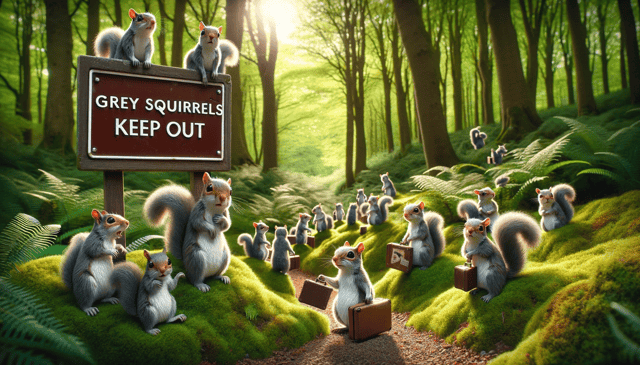 Time for the grey to go. one day the Reds might return
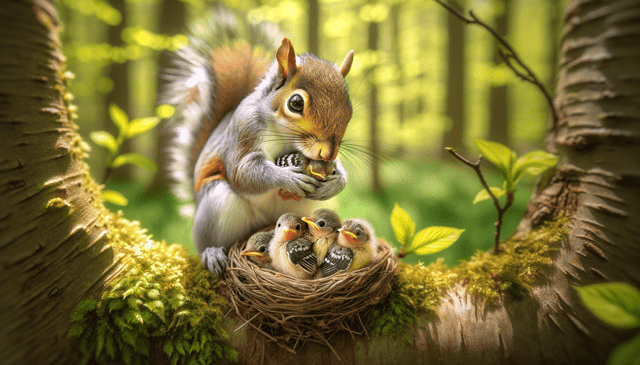 Grey Squirrels eat young native birds. True Story.
FAQ - The Damages Grey Squirrels Cause in the UK
Q1: What are the damages grey squirrels cause in the UK?
The damages caused by grey squirrels in the UK are extensive and varied. They pose a significant threat to songbirds, as they compete for resources and prey on their eggs and young. Additionally, grey squirrels strip bark from trees causing damage to woodland, leading to decreased tree health and increased vulnerability to disease.
Q2: How do grey squirrels affect the native red squirrels?
Grey squirrels have had a detrimental impact on the native red squirrel population. They outcompete red squirrels for food and resources, leading to a decline in red squirrel numbers. Furthermore, grey squirrels can transmit squirrel pox, a deadly disease to red squirrels, further contributing to their decline.
Q3: Are grey squirrels considered pests in the UK?
Yes, grey squirrels are considered pests in the UK due to their destructive behavior and negative impact on native species. They cause damage to trees and woodland, affect songbird populations, and pose a threat to the conservation efforts of the native red squirrels.
Q4: What specific damages do grey squirrels cause to woodland?
Grey squirrels cause damage to woodland by stripping bark from trees. This bark stripping exposes the trees to diseases and pests, leading to reduced tree health and timber quality. It also affects the biodiversity of woodland ecosystems, as certain tree species, such as beech, are particularly targeted by grey squirrels.
Q5: How does grey squirrel control help mitigate damages?
Grey squirrel control is essential for mitigating damages caused by grey squirrels. This control involves measures such as trapping, shooting, and fertility control to manage the grey squirrel population. By reducing grey squirrel numbers, it minimizes competition for resources and helps protect native tree species and wildlife.
Q6: What impact do grey squirrels have on the British countryside?
Grey squirrels have a negative impact on the British countryside. They cause damage to trees, woodlands, and songbird populations, affecting the overall ecosystem health. Additionally, their competition with red squirrels and the transmission of squirrel pox further disrupt the balance of native wildlife.
Q7: Are grey squirrels bad for songbirds?
Yes, grey squirrels are bad for songbirds. They compete with songbirds for food resources and prey on their eggs and young.
If you are having issues with Grey Squirrels please get in touch on 07398674924 or fill out our online form Gregg Protecta Pest Control