

Rats in the Garden: Effective Identification, Treatment, and Prevention Methods
If you spot rats in your garden in Chesterfield, Dronfield, or Eckington, it could be the first sign of an infestation, and you should take action right away. Rat infestations can quickly grow out of control, leading to structural damage to your home, transmitting diseases, and other problems. This article will show you how to identify, treat, and prevent rats in your garden.
Signs of Rats in the Garden
Here are some signs to look out for:
- Rat Droppings in Your Garden - Rats' droppings are distinguishable from mouse droppings, being larger in size and dark brown in colour. They resemble a large rice grain with a size of 9-14mm. If you see such droppings in your garden or in proximity to your house, it's definitely rats you're dealing with.
- Bite Marks on Garden Hoses - Rats have tough enamel on their teeth and can gnaw through almost anything. Torn food packaging, damaged wood, or plastic materials are surefire signs of rats in the garden.
- Rat Nests - Rats make nests while they multiply, and the perfect place for them to take care of their newborns is a dry place hidden from predators. Clutter made of fabrics such as cloth or paper and cardboard materials also attract rats.
- Footprints in the Dirt - Rats move a lot, and leaving footprints is inevitable. Whenever the rodents walk on dusty or contaminated areas, their feet and tails leave very distinct footprints. Disperse some flour or anything with a similar texture and wait for 1 or 2 days. It will most certainly take only several hours until the vermin walk over it for an inspection. By doing this, they will leave the same marks you've seen before.
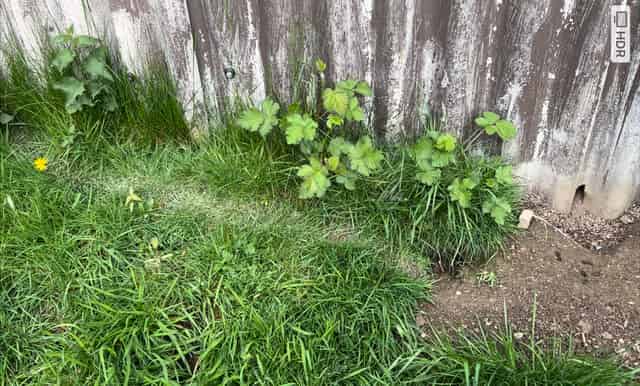
- Burrows - Rats dig burrows, and the most common places in the garden where rat burrows may be found are in proximity to compost bins, nearby garden sheds, inside the garage, under shelters and deckings, or anywhere else where food might be stored.
- Increased Pet Activity - Cats and dogs have much better hearing than us, which makes them able to detect sounds with very low frequency that rats make most of the time. Once a pet detects the activity of the rodents, it becomes very active and starts looking for the vermins' hiding places.
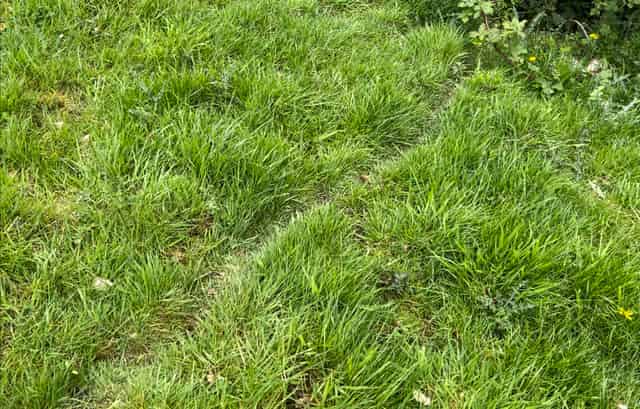
- Rat Pathways - Runways made by rats ensure that the rodents have easier access to food. Most often, such pathways cover the distance from the nest to the food source.
- Rat Odour - When a large number of rats infest a place, there is a strong typical smell that may be sensed from a decent distance from the spot. The smell is very similar to that of ammonia because rats' urine contains this compound.
Are Rats in the Garden Dangerous?
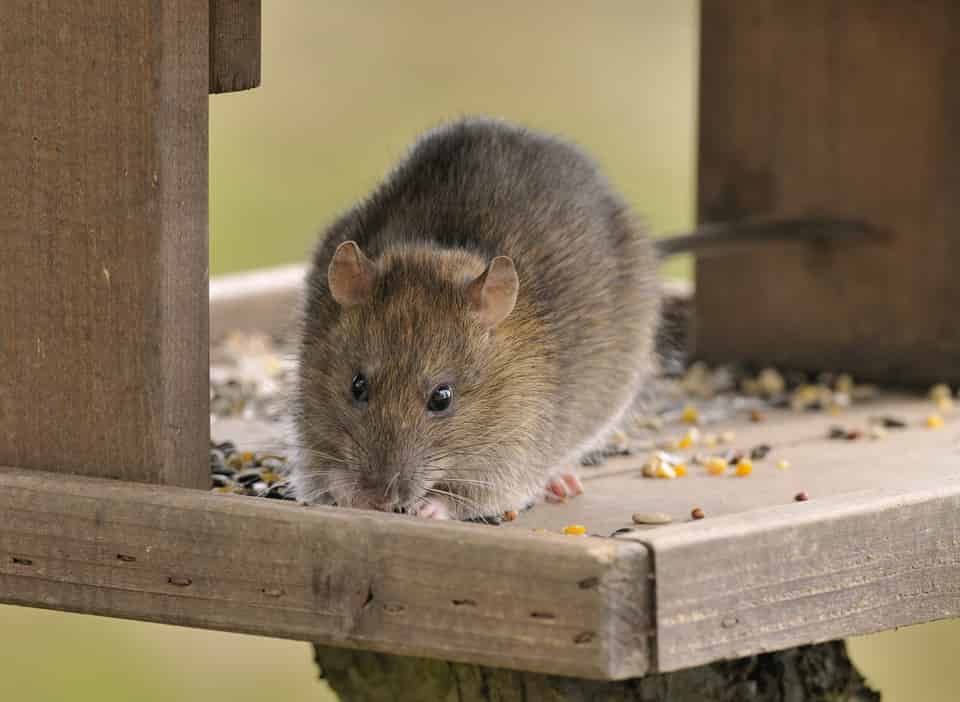
Rats pose a significant threat to both structures and public health. They can damage buildings and construction materials, including bricks, wood, concrete, and certain metals. Additionally, rats can transmit numerous diseases, some of which can be fatal if not promptly and adequately treated. Risks associated with rats include rat bites, theft of food from bird feeders, and the transmission of diseases such as leptospirosis and hantavirus.
Contacting Pest Control Near Me
If you've got rats in your garden in Chesterfield, Dronfield, or Eckington, it's essential to act fast and contact a professional pest control service near you. They can assess the situation, identify the rodents' entry points, and develop an effective treatment plan. Contact Protecta Pest Control by calling 0739 8674924 or 01246 903669, or visit their website at https://protectapestcontrol.co.uk/ for more information.
Effective Rat Treatment and Prevention Methods
It's essential to take appropriate measures to eliminate rats and prevent future problems. Here are some proven methods to tackle rats in your garden:
- Professional Pest Control Services - Hiring a pest control service is often the most effective way to deal with rats. A trained exterminator can provide a comprehensive solution, including identifying the extent of the infestation, selecting the best treatment method, and implementing preventative measures to keep rats from returning. Learn more about Protecta Pest Control's rat control services here.
- Trapping - Trapping is a popular method for dealing with rats in the garden. Snap traps, live traps, and glue boards can be used to capture rats. It's important to place the traps in strategic locations, such as along the rat pathways, near their burrows, and close to food sources. Always remember to follow the manufacturer's instructions when using traps, and check them regularly.
- Baiting - Using poison bait is another method to eliminate rats from your garden. However, shop-bought bait isn't as strong as professional bait, so it's crucial to use this method with caution, especially if you have children or pets. Make sure to place the bait in tamper-resistant bait stations and position them in areas inaccessible to children and pets.
- Rodent-Proofing Your Garden - Stopping rats from entering your garden in the first place is the best way to avoid a problem. Some rodent-proofing measures include:
- Sealing gaps and holes around your property, including those in walls, doors, and utility openings
- Keeping your garden tidy and free of debris and clutter
- Storing firewood and other materials at least 18 inches off the ground
- Regularly trimming trees and shrubs to prevent rats from climbing and gaining access to your home
- Using metal or heavy-duty plastic containers with tight-fitting lids for compost bins and rubbish storage
- Removing potential food sources, such as bird feeders and fallen fruit from trees
Pest Control Pricing
The cost of pest control services may vary depending on the severity of the problem. To get a better understanding of the costs involved in dealing with rats in your garden, visit the pricing page on Protecta Pest Control's website here.
In Conclusion
Rats in the garden can pose significant health risks and cause damage to your property. By being vigilant and proactive in identifying and addressing rat infestations, you can protect your family and your home. Remember to consult with a professional pest control service, such as Protecta Pest Control, for the most effective and safe solutions to rid your garden of rats. Contact them today by calling 0739 8674924 or 01246 903669 or visit their website https://protectapestcontrol.co.uk/contact to get started.