
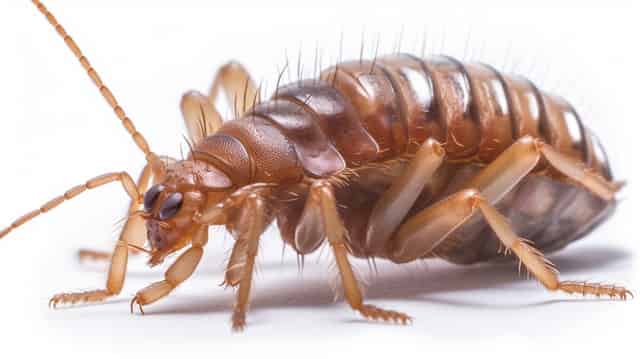

Does your pet scratch and fidget excessively? Have you noticed anything bouncing around on the carpet? You're in the proper place if fleas are causing you anxiety.
Because of their lifecycle, fleas can be difficult to eradicate once you find them in your house, which can be upsetting.
This information is intended for those who are considering DIY flea pest control or who want to hire a professional pest management business.
Because of their lifecycle, fleas can be difficult to eradicate once you find them in your house, which can be upsetting.
This information is intended for those who are considering DIY flea pest control or who want to hire a professional pest management business.
As ectoparasitic insects, fleas reside on the exterior of their host animals. They consume the blood of birds and mammals. Around 2,500 species of fleas are thought to exist worldwide.
In the UK, there are three kinds of fleas. Ctenocephalides felis is the most prevalent type of cat flea. Ctenocephalides canis, dog fleas, are less common. Infestations of the human flea Pulex irritans do occur, however they are uncommon.
The dangers: why we control fleas
Risk to people
In the United Kingdom, fleas do not typically spread disease.
Although fleas do not pose a direct health threat, flea bites can cause severe irritation and itching to pets and people alike.
The most severe aspect of a flea bite on humans is the disease that may develop if left untreated.
Flea bites have been known to cause skin complaints, and they can also aggravate respiratory illnesses and result in complications.
Risk to pets
If your animal has fleas, it will suffer significant discomfort. It could also have an allergic reaction to the flea's saliva.
If your pet is infested with ticks for lengthy periods, it may develop anaemia from the blood loss.
Types of flea in the UK
The most prevalent species of flea in the United Kingdom is the Cat flea, Ctenocephalides Felis. This well-known pest primarily feeds on domestic cats but is also known to readily bite humans and dogs.
That's true - since the bug is called a cat flea, it does not mean it won't try to bite people, too!
Ctenocephalides canis, as its name suggests, is also adaptable. It prefers cats and canines as hosts hosts. However, it is mostly interested in attacking these two species.
Other types of fleas to be aware of are bird fleas, Ceratophyllus gallinae, human fleas, and Pulex irritans.
The bird flea only lives briefly but produces many offspring, doubling in hen houses.
Finally, there are human fleas, which are still uncommon in the United Kingdom. They are a carrier of Yersinia pestis.
When the Japanese used fleas carrying Y. pestis as a biological weapon during World War II, they dropped them in China.
Habitat: how fleas choose a home
Fleas can live on any warm-blooded animal but are frequently found in human beings, household pets, and rodents.
During their meals, fleas are primarily active in communal areas, where pets rest and wherever there is the most activity.
Fleas and their eggs may be found in soft furnishings that provide ample insulation, such as carpets, pet bedding, clothing and upholstered furniture.
You might notice fleas leaping around on your carpeting and furnishings if you have a flea infection.
Where do fleas come from?
Fleas are only sometimes evident where they've come from, as even homes without pets may get fleas. #
Over 95 per cent of flea eggs, larvae, and pupae live outdoors, not on pets.
Flea eggs can survive for extended periods, sometimes up to a year, giving the impression that the infestation already existed in your new home.
If you have a pet, they can pick up fleas from other animals or places and give them a ride back.
Although it's less prevalent, it can still happen to human beings. Fleas will hitch a ride on your clothes, skin, or hair.
Once you've found fleas, you'll want to remove them swiftly before they become entrenched.
Many people feel embarrassed to learn they have an infestation of fleas, as fleas are frequently linked with filthy places.
This is a common misconception - fleas are not selective! Fleas prefer clean, silk-feel surfaces to their scratchy, tough-feeling ones. As a result, those with pet allergies should avoid utilizing rugs made of silk fibres.
Although a business or home that isn't vacuumed or cleaned is more likely to provide a more hospitable environment for fleas, they will also assault clean places in their search area for a warm-blooded host.
If left untreated, fleas can quickly get out of control.
Six tell-tale signs that fleas are about
Pet dogs constantly scratch, lick, or bite themselves. This indicates that they are in discomfort or pain. Dogs that are persistently scratching, licking, or biting themselves might be signaling that they are in pain or discomfort.
If you see fleas or flea droppings on your pet's coat (easily seen in the light-coloured breeds by brushing back the hair, in darker coats it may be better to comb the animal over a sheet of paper), remove them from your fur coat to prevent bites.
By getting a few drops of water, the identities of the black specks can be determined: if they turn red, your pet has fleas.
Bite bacteria, typically found around ankles and legs, are carried by family members.
You might find bites on your wrists if you have been holding or stroking a pet.
Fleas may be seen hopping around on soft furnishings when they are not nibbling on our AB good blood. When awake, they can frequently be observed jumping around on cushions.
Why are fleas more common in summer?
The ideal temperature for fleas is between 21 and 29 degrees Celsius, which is why, in the UK, we find these pests more prevalent during the summer months.
Humidity is also crucial for ticks. The moisture is necessary for the eggs to hatch, as well as for ticks to advance through their life cycle.
Although fleas thrive in warmer climates, extreme heat can kill them, their larvae, pupa, and eggs.
Temperatures at or below freezing will kill adult fleas, however those in different stages of the life cycle will just become dormant.
Generally speaking, the warmer the weather, the easier it is for fleas to complete their life cycle.
Flea biology and behaviour
Appearance
The appearance of different types of flea is very different, and in most cases, only trained experts can tell the difference under a microscope.
Adult fleas are wingless, flattened laterally (enabling them to move easily through hair) and vary from light to dark mahogany.
The vast majority of species have backwardly directed spines designed to assist them in gripping on to their hosts.
Adult Fleas are on average 2mm in size and dark brown or black in appearance (appearing more red-black after a blood meal).
Adult Cat fleas are normally larger, on average 3mm in size.
Fleas have been related to Dipteras (true flies) and were once free-living, flying insects.
Mating and lifespan
The lilifecyclef the flea occurs in four clear stages: egg, larva, pupa, and imago (adult).
Depending on the weather conditions, these stages can take anywhere from two to eight months to complete.
Female fleas can live for up to two years, during which time they are expected to produce up to 1500 eggs.
The females must first take a 'blood meal' from an afflicted animal, after which they lay their eggs.
The eggs fall onto the floor and surrounding furnishings, and after a few days, they will transform into larvae.
When human hosts produce no viable eggs, the surrogate animals must depend on their host animal blood meal for nourishment.
DID YOU KNOW: Female fleas cancan consume up to 15 times their body weight in blood daily?
When fully developed, the larvae spin well and burrow into silken cocoons.
When the fully developed adult emerges from the cocoon, it waits to listen for vibrations caused by a person or an animal.
It can also detect pressure, heat, noise, or carbon dioxide from potential hosts.
The lilifecyclef a redback spider is about a month in the summer.
How do fleas jump so high?
Fleas can leap at least a hundred times their own body length and are known to hit top distances of around 200 times their length.
Froghopper insects (yeah, we hadn't heard of them either) can perform a mind-boggling dance that only looks rivalled by the string-bean frogs of the Amazon rainforest.
Fleas perform this exercise using their robust hind legs as multi-jointed levers. They grip the ground for traction before crouching down and storing energy in their muscles.
When released, this energy acts almost like a bow and arrow, propelling the flea quickly.
Fleas can jump from a great distance. This is how they switch from one host to the other.
Furthermore, their legs end in strong claws with which they may grip their host.
Their tough shells make them resistant enough to withstand intense scratching and attempts to remove them.
What do fleas eat?
Adult fleas feed on the blood of humans and animals; females need this to produce viable eggs.
During the larval stages, they have mouthparts for chewing. They feed on detritus, dust and animal protein, such as dead skin and feathers.
They also consume faecal droppings high in dried blood and germs.
Flea, tick or mite?
Although all are members of phylum Arthropoda, fleas are insects. At the same time, ticks and mites belong to another group of arthropods: Arachnids.
This puts them in the same category as spiders and scorpions.
There are many distinctions between ticks and fleas. Ticks, for example, have eight legs, while fleas have only six.
Ticks are significantly larger and have pear-shaped bodies that enlarge as they feed on their host's blood.
Fleas only have six legs, while bedbugs have eight.
Ticks do not usually invade indoor environments.
Among the exceptions is the invasive Brown Dog Tick or Rhipicephalus sanguineus, brought over from Europe on dogs.
It's more challenging and resilient than indigenous tick species, spreading in the UK.
With eight legs, mites appear to have a few more commonalities with ticks than fleas, but the major distinction is in the number of legs; mites have eight legs and look more like a spider than a flea.
Unfortunately, ear mites cannot be seen by the naked eye, and a veterinarian must prescribe treatment.
Infestations are frequently marked by dirty-looking ears with black discharge, redness and swelling.
While most mites feed on humans and animals, some species feed on plants.
Fleas on pets
Consult your veterinarian if your animal shows any of these signs.
Scratching excessively
Areas of hair loss, baldness, or sore patches are normal. These can be aggravations or irritations caused by various factors, including radiation, chemotherapy, surgery, infection, wounds, burns, and cuts. They may begin as small, localized areas but can quickly spread out and affect the whole scalp. These patches can leave permanent scars. Thankfully, most cases can be treated and controlled with self-care measures or medication your doctor prescribes.
Scans or spots
The initial effects of redness and irritation may be mistaken for acne.
Ingredients such as thicker skin in the area around the ears
Fur covered with minuscule black dots or little black critters. Small browny-black
Itching is the most obvious consequence of your pet having fleas. However, there are a few more serious consequences to a pet having fleas.
The animal might suffer an allergic reaction to the flea's saliva, manifesting in symptoms such as face or body swelling, agitation and being hot to the touch.
Prolonged periods of infection can result in your pet developing anemia from the depletion of blood vessels, which you may identify by examining your pet's gums.
Animals with young or fragile bodies that host fleas may become weak or die from blood loss.
Flea larvae may be infected with tapeworm eggs if your pet consumes an infected flea.
If your pet has fleas, you should also be treated for worms.
Fleas can also transmit diseases to pets. Myxomatosis, a serious disease in rabbits, is one such disease.
Flea treatments for pets
Regular grooming of your pet will not only help you bond and keep them healthy, but you will also be able to look into the fur for telltale signs of flea infestation.
Despite all this, you should treat your pet for fleas on a regular basis, as prevention is better than treatment.
Only provide your pet with treatments that have been endorsed by a veterinarian.
Fleas are susceptible to a variety of diseases and circumstances. Flea control products may include an insecticide called permethrin, which is safe for canines but harmful to cats.
Fleas can cause severe discomfort in your pet's mouth and neck area, tapeworms, and other ailments. Therefore, you should get your pet treated as soon as possible.
You should also consider treating your home.
Treating a flea bite
The most common response to a bite is salivation. Most people experience it as a natural response within a certain timeframe.
Flea bites are small, red bumps (around 5mm) that can develop in lines or clusters. They can also occasionally blister.
No matter how much a flea bite itches, you mustn't scratch it. This could result in an infection, leading to a fever, nausea, and worse.
If you develop an itchiness or eczema, consult a pharmacist for advice and treatment.
If you have chronic eczema, your pharmacist may recommend
For swelling, apply a cold compress or ice pack to the afflicted area, or ask your doctor about treatments such as antihistamine tablets.
If these treatments don't help, you must visit your GP immediately. They may prescribe stronger medications such as steroid tablets.
Allergic reaction to a flea bite
If you're allergic to fleas, your immune system will release more histamine.
Anaphrase the following text: Anaphylaxis can elicit a serious allergic response.
Flea bites may cause a variety of symptoms, including the following:
Itching that is intense
A rash or hives on various body parts is a skin condition known as eczema.
The following statement can be broken down into words: Shortness of breath or wheezing.
The following text serves as a summary of the topic being discussed. Swelling of the face, hands, mouth, or lips may make you feel uncomfortable or even frightened. These symptoms may indicate that the person has edema, a facial swelling that can be relieved with prompt medical care.
Nausea
Pain in the chest.
If it's not dealt with right away,
Contact 999 or 111 or go to your local hospital if you have a serious allergic response to a flea bite.
How to prevent fleas
It's difficult to keep your pets from fleas.
Fleas are a type of parasite that can live on pets and humans. Pet owners should regularly apply veterinary-approved flea repellents to their pets.
Walkies - when returning home, brush out your pet’s fur before going inside
Hoover the areas where your pet is, especially carpeted areas in and around any furniture used by your pet.
Washing - regularly wash your pet's bedding, blankets and other washable items in the hottest water possible
Keep your garden tidy by mowing your lawn and raking up any leaves, grass or shrub clippings, which will give fleas fewer places to hide.
Treatment of fleas
Before treatment
To make sure the insecticide treatment goes as well as it can, clear the floor as much as possible before you start.
Cleaning the whole area with a hoover helps get rid of any dirt, eggs, larvae, pupae and adult fleas.
Bug killers can be more easily killed by adults when they hatch from their cocoons because of the vibrations from the hoover.
Cleaning the whole area with a hoover helps get rid of any dirt, eggs, larvae, pupae and adult fleas.
Bug killers can be more easily killed by adults when they hatch from their cocoons because of the vibrations from the hoover.
Also, treating the carpet with insecticide will work better because it will be able to get to the base of the threads where fleas live.
WHAT DID YOU KNOW? Fully grown fleas can stay in their cocoon until they see signs of a host.
WHAT DID YOU KNOW? Fully grown fleas can stay in their cocoon until they see signs of a host.
Don't forget to empty the hoover in the outside bin. You will have picked up flea eggs, larvae, and adults while cleaning, and you don't want any of those to come back into your home.
Very hot water should be used to wash all pet bedding, couch cushion covers, and any other blankets, bedding, or clothes that could get dirty.
Don't leave food out in the open, and make sure you cover any fish tanks.
Take any pets out of the area and don't let them back in until the cleaned areas are fully air-conditioned.
Once your home has been treated, you may need to leave the area for at least three hours.
How do professionals get rid of fleas?
Pest control services get plenty of call-outs to treat properties for fleas - so if you're having trouble, you're not alone!
For any infected premises, the standard treatment is the application of a residual insecticide, either as a liquid spray or as a powder. The insecticide is applied to all floor surfaces.
Pest management professionals may use an Insect Growth Regulator (IGR).
Flea eggs and pupae are unaffected by insecticides - this is crucial to understand after treating your house.
This means that it won't be able to properly develop from larvae to adult stages. It will not kill grown fleas, so it should be used in conjunction with a conventional insecticide.
After therapy is complete, it is advised that you refrain from cleaning or vacuuming your carpets for at least two weeks after therapy has concluded. If feasible, you should wait at least two weeks.
Throughout the treatment, eggs and pupae will continue to go through the life cycle stages, eventually emerging as adult fleas.
As the insecticide has a residual effect, it will kill the recently evolved fleas.
When cleaning your carpets, you will be at risk of eliminating the residual pesticide, which may result in a failed treatment.
For further assistance or queries, feel free to contact us on 07398674924. Protecta Pest Control.
What if my pest controller can't find evidence of fleas?
Delusional Parasitosis (DP) is a mental illness in which individuals mistakenly believe they are infested with parasites, insects or bugs when they are, in actuality, no such infestation exists.
Suppose a professional pest controller performs an inspection and cannot detect evidence of a infestation. In that case, DP may be the problem.
People with DP usually report tactile hallucinations known as formication, a sensation resembling bugs crawling on or beneath the skin.
People suffering from this problem should see a doctor.