

Mole Hills in Derbyshire: Protecta Pest Control's Expert Solution
Martin Gregory
Martin Gregory
Derbyshire is known for its beautiful countryside. Recently, residents from Chesterfield to Hathersage – including areas in S40, S41, S42, S43, S44, S45, S18, S21, and S32 – have seen more mole hills in their gardens and fields. This post explains why and how Protecta Pest Control can help.
The Mole Invasion
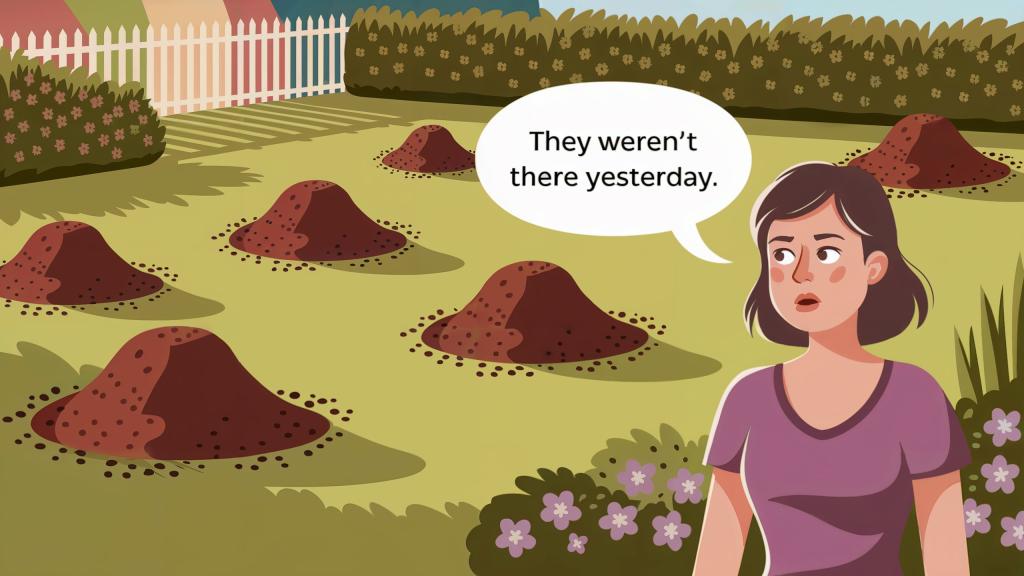
- Since early January, mole hills have appeared across Derbyshire and the UK.
- These mounds can cause damage. You might trip over one during a game or see your horse stumble.
- The main reason is the breeding season. Male moles become active as they search for mates.
Moles: The Underground Dwellers
- Moles are small mammals with tube-like snouts.
- They have poor eyesight but are excellent diggers.
- In areas like Baslow and Holmesfield, gardeners report damage from their tunnels.
- A female mole has one litter per year with 2 to 7 pups. The pups leave their mother when they are about 5 weeks old.
The Colourful World of Moles
- Moles come in many colours, such as grey, cream, and orange.
- Black moles blend well with dark soil.
- The UK may have up to 40 million moles. In Ireland, moles are absent due to past sea-level changes.
The Impact on Derbyshire
- In towns like Chesterfield, Hathersage, Barlow, and Baslow, mole numbers are rising.
- An adult mole can eat up to 250 earthworms a day.
- When food is scarce, moles dig new tunnels, creating more mole hills.
- They can dig up to 200 meters in one day, which can harm crops.
Service Areas
Protecta Pest Control covers these postcode areas:
S40, S41, S42, S43, S44, S45, S18, S21, and S32.
We provide expert mole removal services to protect your garden and farm.
Addressing the Mole Issue
- If you have a mole problem in your garden or farm, several solutions exist.
- Many home remedies are online, but trapping often works best.
- Protecta Pest Control offers specialised mole removal services.
- For more details on services and pricing, visit our pricing page or contact us directly.
FAQs
Why are there so many mole hills this year?
- Mole hills increase during the breeding season. Male moles dig extra tunnels as they search for mates.
- Weather and food availability also boost mole activity.
Why have moles suddenly appeared in my garden?
- Moles look for mates and food at certain times of the year.
- Your garden may offer plenty of worms and soft soil for digging.
Why are there so many moles in my garden this year?
- Warmer weather and the start of the breeding season drive moles to expand their tunnels.
- Your yard might be an attractive spot with loose soil and ample food.
Why do moles make so many hills?
- Mole hills form when moles push soil up while digging tunnels.
- These hills show their active search for mates and food.
Should I remove mole hills?
- Removing mole hills may improve your garden's appearance.
- It does not stop mole activity. Addressing the underlying mole problem is key.
Why are so many moles appearing?
- The surge in moles ties to seasonal breeding patterns.
- Environmental factors like food supply and soil conditions also play a role.
Final Thoughts
Have you noticed mole hills in your garden lately? Check if your postcode area is covered by Protecta Pest Control and take action to keep your garden safe. What steps will you take to protect your space?