


Struggling with a rodent infestation in your home's upper quarters can be distressingly common. If you've discovered that rats or mice have taken up residence, leaving their urine and droppings in your attic space, it's imperative to tackle the issue head-on. Ensuring effective rat removal is not just a matter of cleanliness—it's about safeguarding your health. Rat urine carries harmful viruses and bacteria, which makes understanding how to get rid of rats and their lingering traces a matter of urgency.

Embarking on the journey of pest control, your well-being is paramount. You'll need to suit up and approach the task with a bevy of cleaning solutions to thoroughly disinfect affected areas. Step by step, we'll guide you through eliminating any pest problem in your attic—keeping your home safe and serene. Let's face the challenge of rodent infestations together and transform your attic back into the pristine space it deserves to be.
Understanding the Risk of Rodent Infestations in Your Attic
Discovering a rodent infestation in your attic can be unsettling, highlighting the importance of recognising the hazards these vermin pose. Often unnoticed, rodents make their way into lofts, seeking warmth and materials such as insulation to line their nests. The cosy environment of your attic offers them a sanctuary for breeding, raising the risk of a full-blown infestation.
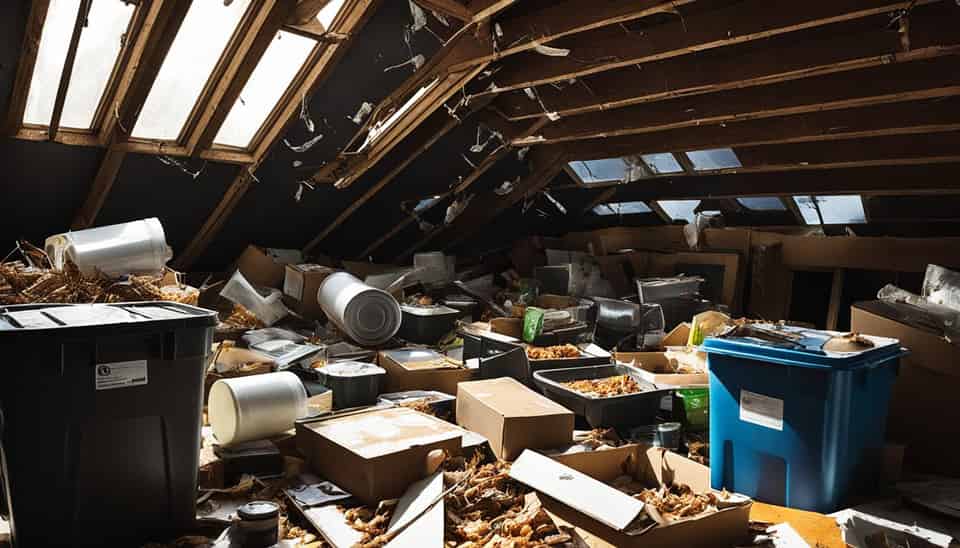
Droppings are not merely a mess to be cleaned; they are carriers of dangerous pathogens, which can include the deadly hantavirus. Once aerosolised, these pathogens become a threat to your respiratory health, necessitating immediate and effective pest management.
- Identify sounds of rodent activity, especially at night.
- Inspect your attic for droppings, marks, and damaged goods.
- Check for chewed electrical wires and structure, which can lead to additional hazards.
The table below presents a comparison between the common signs of an infestation and measures you should take to address it.
| Sign of Infestation | Action to Take |
|---|---|
| Unusual noises such as scratching or scurrying | Investigate for the source and possible entry points |
| Nesting materials like shredded insulation or fabric | Remove all materials and inspect for nest locations |
| Grease marks and rodent droppings | Clean the areas thoroughly while wearing protective gear |
| Ammonia-like odour from urine | Disinfect areas of suspected urine stains and droppings |
| Footprints or tail marks in dusty areas | Set traps or bait near these trails and monitor for activity |
By staying vigilant and acting promptly at the first signs of a rat problem, you can protect both your home's integrity and your health. Remember, dealing with an infestation is not just about setting traps but also about ensuring complete sanitisation and adopting preventive measures.
How to Get Rid of Rat Urine from Your Loft or Attic 2024
Battling a rodent infestation can be troubling, yet understanding the nuances of different rat species and their behaviours is the linchpin to reclaiming your attic or loft. Whether it's through the nocturnal scurrying of a roof rat or the pronounced droppings of brown rats, identifying these telltale signs is your first step towards sanitation and rodent control.
Identifying Rat and Mouse Species and Their Behaviours
Roof rats are skilled climbers and their presence in high places like your attic is a common ordeal. Their sausage-shaped droppings could be the first clue to an infestation. On the lower ends of your property, brown rats may leave larger, blunter feces. Additionally, should you notice smaller, more numerous droppings with pointed ends, house mice may have also found refuge in your loft. Recognising these differences empowers you to deploy the most effective pest control strategies.
A gloved hand holding a disinfectant spray bottle while using a long-handled brush to scrub and clean rodent droppings and urine stains on a wooden surface in a dimly-lit attic.

Discovering and Cleaning Rodent Droppings and Urine
Upon detecting fresh, moist rodent droppings, you're likely grappling with an ongoing rat infestation. Older, drier droppings suggest historic presence. Either case demands a thorough clean-up using strong disinfectant or bleach solution to prevent the spread of pathogens. Urine stains and rodent droppings require meticulous attention; it is essential not merely to clean but also to disinfect the entirety of travelled spaces.
Preventative Strategies for Attic and Loft Rodent Control
To stave off further intrusions, you must become adept at sealing every perceivable entry point. Employ durable materials such as caulk or steel wool for sealing and consider installing traps or bait stations to monitor rodent whereabouts. Should you seek the best rodent control remedy, engaging with a reputable pest control service provider will yield a tailored pest management programme designed specifically for your home. Regular vigilance in checking for rodent droppings, coupled with swift action, is your best defence against future mouse infestation.
With these insights and diligent maintenance, you can ensure your attic remains a clean and rodent-free environment. Remember, addressing the issue promptly and decisively is paramount to safeguarding both health and home.
Professional Pest Control Options for Long-Term Rodent Management
If you're contending with a persistent rodent infestation or seeking solutions for long-term management, turning to professional pest control can be incredibly beneficial. Companies like Protecta Pest Control specialise in customised approaches, addressing your unique situation with precision and care. A pest control professional will utilise a comprehensive set of tools and methods to tackle your pest problem.
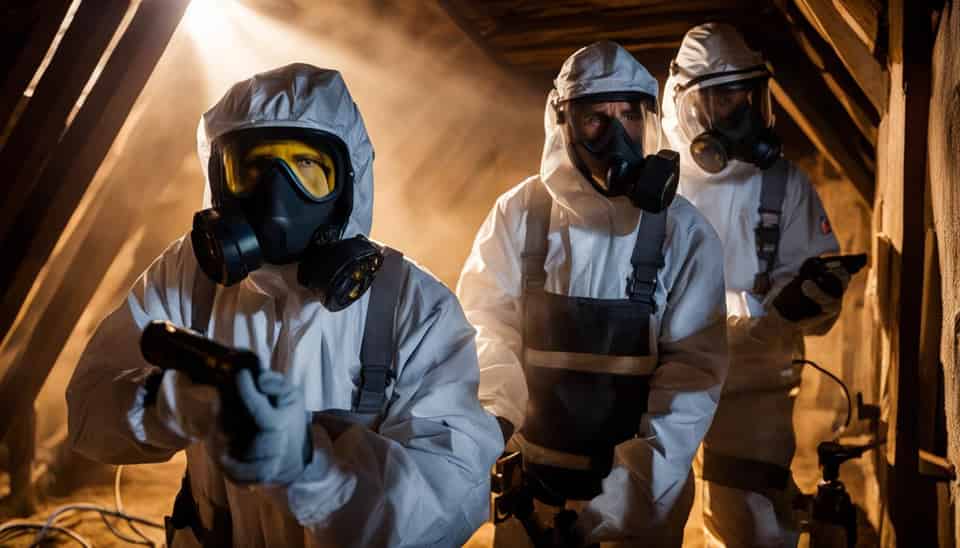
Dealing with pests, especially rodents, requires more than just temporary fixes. Rat removal through methods like rat poison, glue traps, snap traps, and live traps needs expertise to prevent unnecessary harm to pets and non-target species. Here, we look at various methods applied by professionals to manage and remove unwelcome rodent visitors.
Conclusion
In summing up the steps to secure your loft from the inconvenience and hazard of rodent infestations, remember that persistent vigilance and proactive measures are your best allies. By identifying rat species and understanding the signs of rodent activity, you can implement effective strategies for rat problem abatement. A thorough programme of loft maintenance, combined with preventative pest control, constitutes a formidable defence against these persistent intruders.
Taking Proactive Steps to Ensure a Rodent-Free Space
Embarking on a diligent cleaning routine and employing DIY methods are advantageous in the immediate aftermath of discovering rodent droppings or rat feces in your attic space. However, for guaranteed eradication and ongoing rodent control, securing professional pest control services may prove invaluable. These experts offer a comprehensive pest management system to help you get rid of rats and prevent future incidents of infestation with tailored solutions.
Considerations for Future Prevention and Loft Maintenance
To maintain the efficacy of your efforts, incorporate regular checks for any fresh signs of rodent or indications of a relapse into your preventive pest control routine. Swift responses to any new sightings will help nip potential problems in the bud. Undertaking recommended loft maintenance practices and collaborating with a reputable pest control service provider will ensure your attic remains an unwelcoming environment for these pests. Remember, it's not just about dealing with the current issue - future prevention is crucial to ensuring that your property stays free from the troubles of infestation.
FAQ
How can I identify a rodent infestation in my attic?
Signs of a rodent infestation include droppings, urine stains, gnawed materials, and nesting evidence in your insulation. You may also hear scurrying or scratching noises at night, as most rodents are nocturnal.
What are the health risks associated with rat urine and droppings?
Rat urine and droppings can carry harmful pathogens such as Hantavirus. Exposure can lead to severe respiratory illnesses, as well as other diseases such as leptospirosis and salmonella. It's crucial to handle these materials with proper care and protective gear.
How do I clean rat urine out of my attic?
To clean rat urine, first ventilate the area. Then, use protective gloves and a mask, and apply a disinfectant or bleach solution to the affected areas. Allow it to soak before wiping or sweeping away any residue. For safety and best results, it's often recommended to seek professional pest control assistance.
How can I differentiate between different rodent species?
Different rodent species leave behind distinct signs. For instance, roof rats are excellent climbers and often found in attics, leaving pointed droppings, whereas brown rats favour lower areas and have larger droppings. House mice leave small, pointed droppings and tend to build nests in secluded parts of the home.
What are effective preventative strategies to keep rodents out of my attic?
Seal up any gaps or entry points into your attic with caulk or steel wool to deter rodents. Maintain cleanliness and store food in airtight containers. Also consider setting traps or bait stations as early detection tools. Monitoring for signs of rodents and engaging a pest management service provider for a comprehensive evaluation can be critical prevention steps.
When should I contact professional pest control for a rodent infestation?
If you notice persistent signs of infestation, such as droppings, noises, or damage, it's time to contact a professional pest control service. In cases where the infestation is widespread or if you're unsure how to deal with the problem, experts like Protecta Pest Control can provide targeted solutions for rat removal and ongoing pest management.