
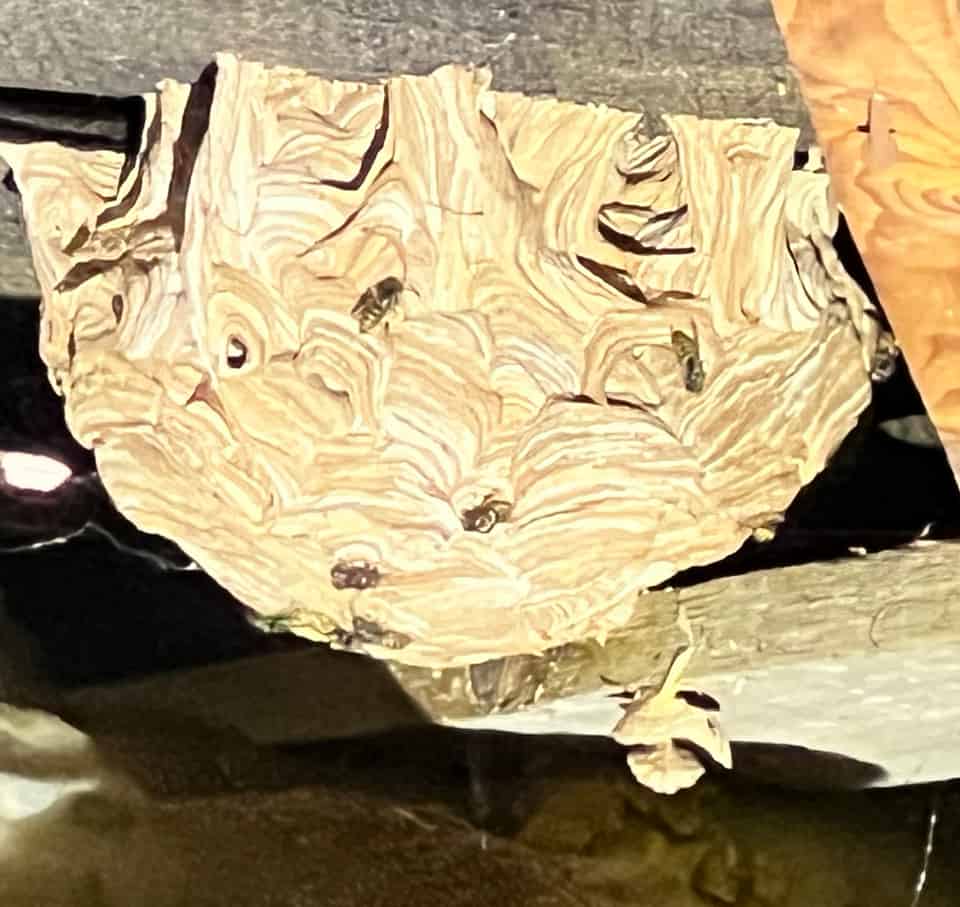

How to Get Rid of a Wasp Nest: Your Ultimate Guide
As the warm season nears, we are spending more time outside, so you might find more wasps flying around the outside of your home. This is important, you need to know how to handle these follows. Every household need a wasp killer product for sure. Wasps appearing at and around your house could well be a clear sign that you have a wasps nests placed at or nearby. Other factors to consider are the cost to health and safety and the fact the earlier a wasp nest is treated the less likely it is that other nests will be encouraged to be established. How to Get Rid of a Wasp Nest If you find a wasp nest follow pass.
Where do Wasps Usually Nest?
The majority of wasp nests are founded and made in secure locations. This usually involves places such as wall cavities, roof spaces, sheds, gardens etc. Wasps can be spotted returning to their nests by observing their daily flight path. A widespread is the paper wasps, which like to nest in trees, shrubs,
How to NOT Remove a Wasp Nest
Huge numbers of advice online tell you how to remove a wasp nest by yourself. Don't do this, unless you want to or have someone else removing the nest to get stung.
Apply the hose pipe or water.
It is a common method when someone used water to kill a wasp nest. Moreover, if you have an indoor wasp nest, water could only worsen the situation in your house. Soaking the nest will not kill the wasps, and can actually cause the wasps to be more aggressive.
Burning the Nest
This method is also not effective because using fire to destroy wasp nests is both dangerous and ineffective. Because wasps' nests are made of chewed wood pulp, they are highly flammable. The fire will not even kill the wasps, but it will definitely piss them off a lot more.
Striking with a Baton or Bludgeon
And verstrepous and strong individuals using weapons like batons or their innate power trying to demolish their wasp nest and etc. This method requires you to have close contact with the nest so that you are in danger of being stung.
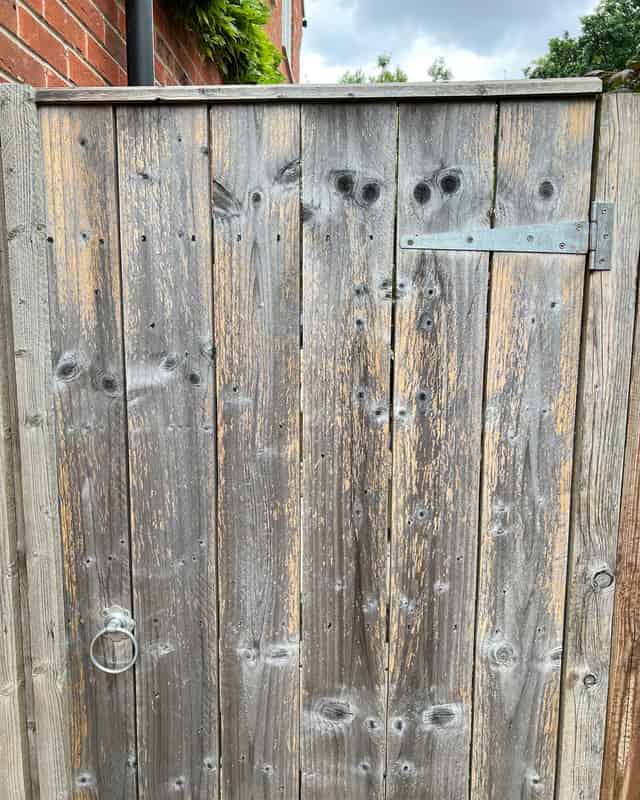
How to Get Rid of a Wasp Nest Safely
We've discussed the dangers of disturbing a wasp abandon; let's currently touch on just how to kill all of them.
Step 1: Gear Up
Do wear the necessary protective gear (mask and gloves) before trying to get into the nest as this is important if you are allergic to wasp stings.
Step 2: Approach the Nest
Try to make an approach at a time of day when there is a lower level of activity around the nest and be cautious and slow-moving. Horticulture can take place asdaft by clicking here on this funny link early in the morning or at night after dusk. When mounting trails, you should drill the nests on the interior without getting too near the mouth of the nest.
STEP 3: Apply Wasp Spray Or Powder
Once you are at a spot where you can whole spray the nest, remove out your product and display eternal spraying the complete nest. Also, other ways you can kill wasps is to get a wasp powder and blow it into the nest and around the entrance.
Step 4 - Check and Re-apply if Required
After application to the nest, let it sit and check to see if you were successful. You may need to rewet the wasp killer if there are still wasps buzzing.
Professional Help
If the nest is in a difficult place, or you would prefer someone else to do it, hire a professional pest control company such as Protecta Pest Control. Their pest control staff are specialised in wasp nest removal, and will be able to remove your wasp nest with minimum fuss and maximum safety.
If the nest is in a difficult place, or you would prefer someone else to do it, hire a professional pest control company such as Protecta Pest Control. Their pest control staff are specialised in wasp nest removal, and will be able to remove your wasp nest with minimum fuss and maximum safety.
Preventing Wasp Nests
One of the simple solutions to take care of a wasp infestation, is in preventing one. Checking for nests, removing food sources, wasp proofing your home, and keeping clean rubbish/waste bins are several steps everyone must take. There is a way to trap the wasps, but you do not need to trap the wasps if you have a wasp trap (or two) at the bottom of your garden.
Stay Ahead of the Nests!
Look for wasps during the summer The more attention you give to finding a nest in its earlier stages the easier it will be to get rid of it. Inspect your shed, garage, roof space, loft, or any other possible entry points for uninvited guests. Watch the wasps and track their flight path to find the wasp nest.
Remove Food Sources
As the Summer months come in we spent more time outside, which means there is often sweet treats lying about which attracts wasps straight away. Make sure that all food areas are clean and dispose of any remaining food. Wasps like food, especially sweet food.
Wasp-Proof Areas of Your Home
Wasps can get into smallest holes, crevices, and gaps. Keeping up with this can help lower the number of wasps nesting in lofts, attics and hard to reach roof and etc. Keep wasps from coming back in by closing escape gaps.
Kill Wasps Inside The House
Wasp activity is high during the summer months, so it's a good idea to have a wasp killer spray handy to deal with wasps that find their way indoors. However, you do not want to attack the nest directly which could anger the wasps inside.
Maintain and Clean Rubbish/Waste Bins
One of the major causes for calling wasps to your home is indoor and outdoor trash cans. Ensuring you empty them regularly, as particularly in the summer, this will stop them letting rubbish pile up.
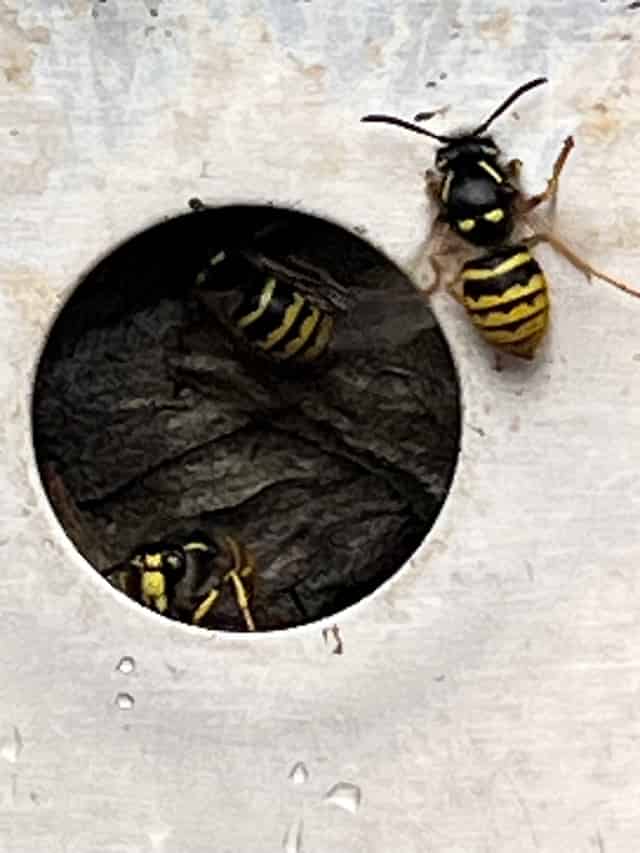
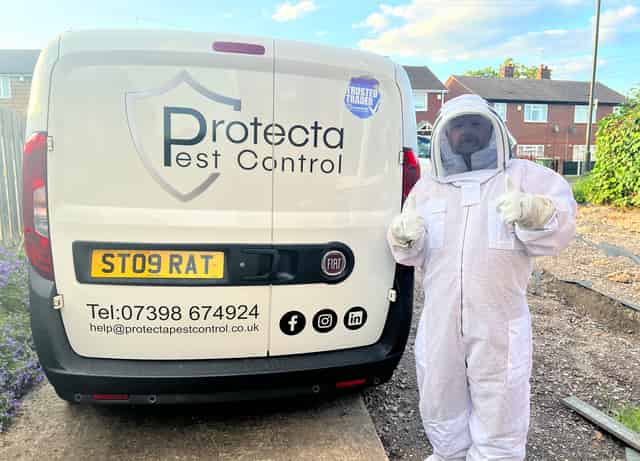
If you're dealing with a serious wasp problem, it's always best to contact a pest control expert like Protecta Pest Control at 0739 8674924 or 01246 903669. They have the knowledge and experience to safely and effectively eliminate a wasp nest. Pest management is key in dealing with wasps, especially if you have a wasp nest inside your home or in an awkward location.
Final Thoughts
Wasp nest removal can be risky business if you don't know what you're doing.. Wasps inside the nest will feel threatened and may become aggressive. Whether you destroy the wasp nest yourself or hire a professional pest control firm, it's critical to act soon to avoid wasps becoming a greater problem.. Remember, wasps are known for their painful stings, so always approach with caution.