
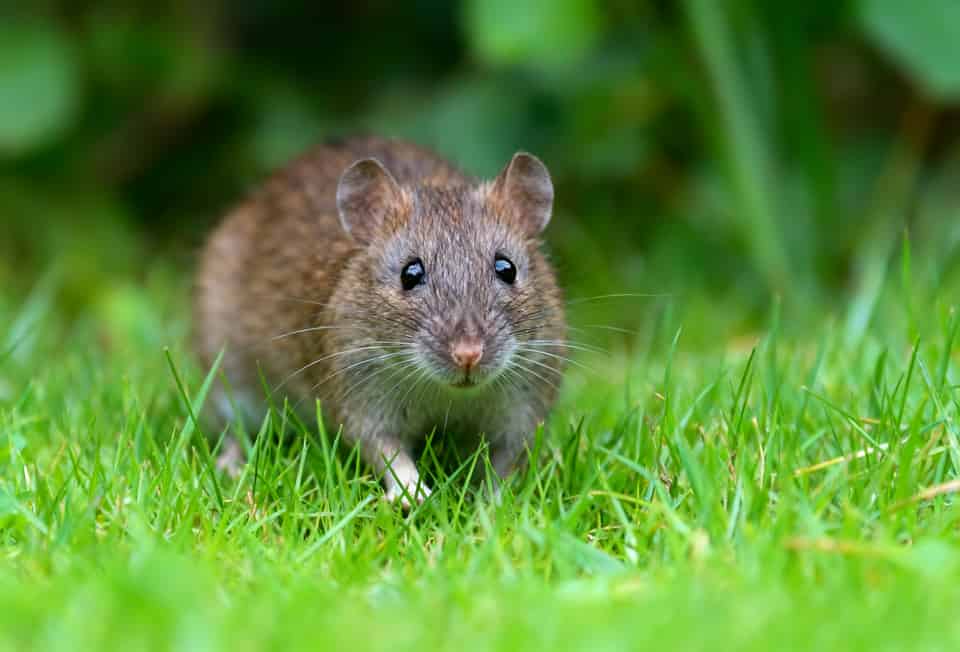
Rats in the UK: The Complete Guide to Spotting, Preventing, and Controlling Infestations

Martin Gregory
Rats in the UK:
The Complete Guide to Spotting, Preventing, and Controlling Infestations
Have you noticed scratching under your floorboards? Found droppings in the shed? Or wondered why people talk about “super rats”?
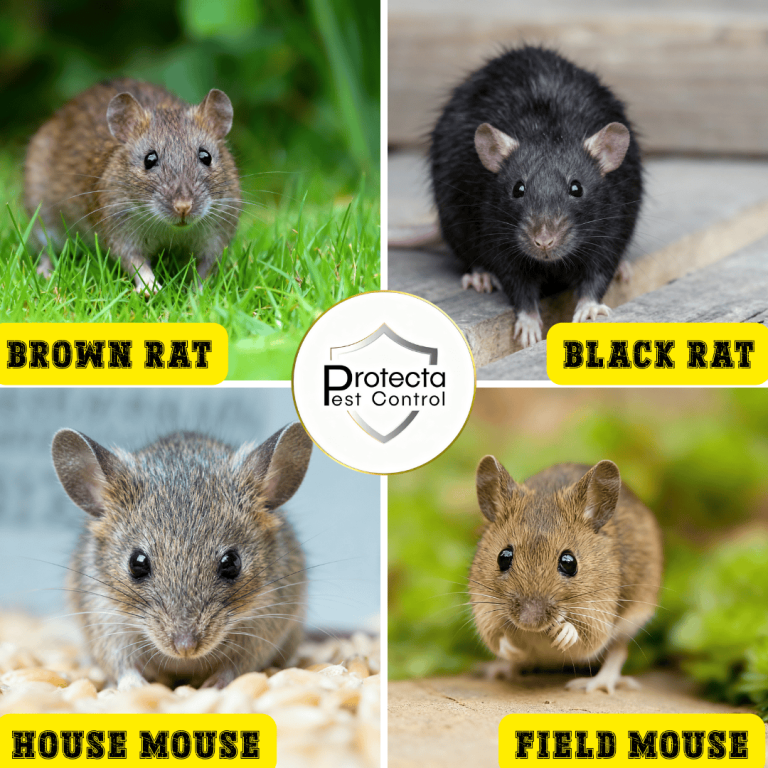
Rats are one of the most common pests in the UK, and their numbers are rising. Whether you’re considering DIY methods or prefer to use a professional pest control service like Protecta Pest Control, this guide will give you the facts you need.
Why We Control Rats
Health Risks
Rats spread disease through their urine and droppings, which they leave behind as they travel. This contamination is a serious risk in homes, businesses, and food areas. Diseases carried by rats include:
- Leptospirosis (Weil’s disease)
- Salmonella
- Listeria
- Toxoplasma gondii
- Hantavirus
Historically, black rats were blamed for the plague, although recent studies suggest the spread was more complex.
Property Damage
Rats have teeth never stop growing. To keep them in check, they gnaw constantly, often causing damage such as:
- Chewed wires that can spark fires
- Pipes gnawed through, leading to water or gas leaks
- Damage to wood, brick, and insulation
- Wheely Bins
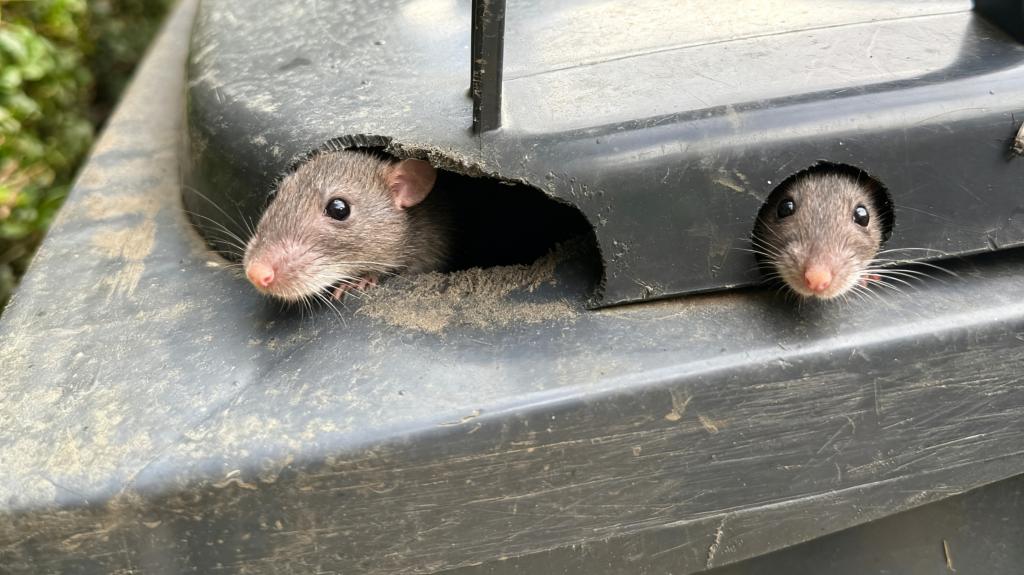
They can even chew through car wiring, resulting in expensive repairs.
Rats and Businesses
The Prevention of Damage by Pests Act 1949 makes it clear:
property owners must keep their premises rodent-free. Businesses that fail to do this face:
- Fines and legal notices
- Severe damage to reputation and customer trust
- Possible closure, especially in the food, retail, and hospitality sectors
Rats Around the Home
For homeowners, infestations bring stress as well as health concerns. Noises in the loft or walls, damage to belongings, and droppings around the property can quickly affect wellbeing. Some people also suffer from musophobia, a common fear of mice and rats.
Rat Species in the UK
There are two main species of rat in Britain:
- Brown Rat (Rattus norvegicus): The most widespread. Common in homes, gardens, farmland, and sewers.
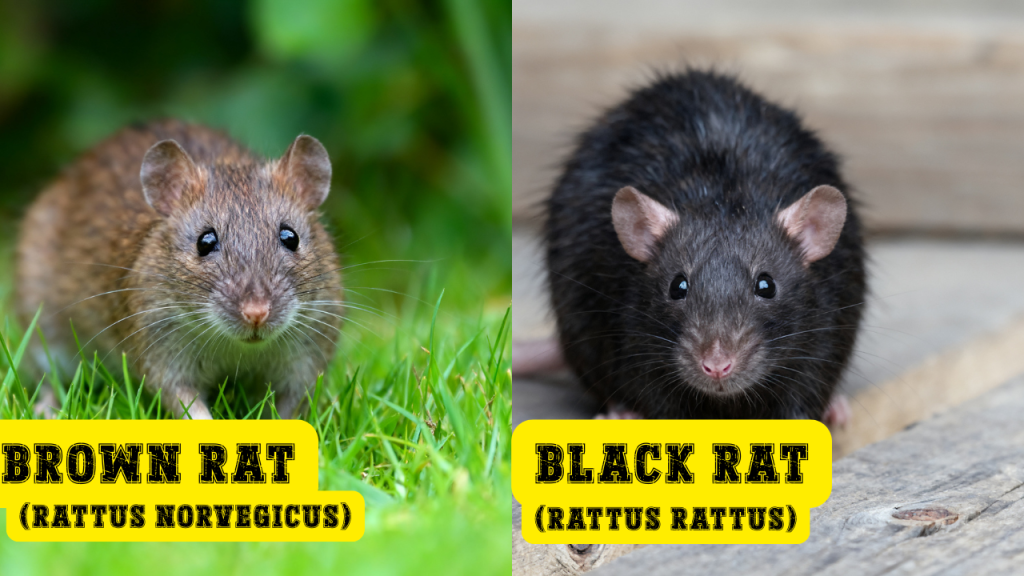
- Black Rat (Rattus rattus): Rare in the UK today, mainly found around ports. Smaller and more agile than the brown rat, it often nests in roof spaces.
Signs of a Rat Infestation
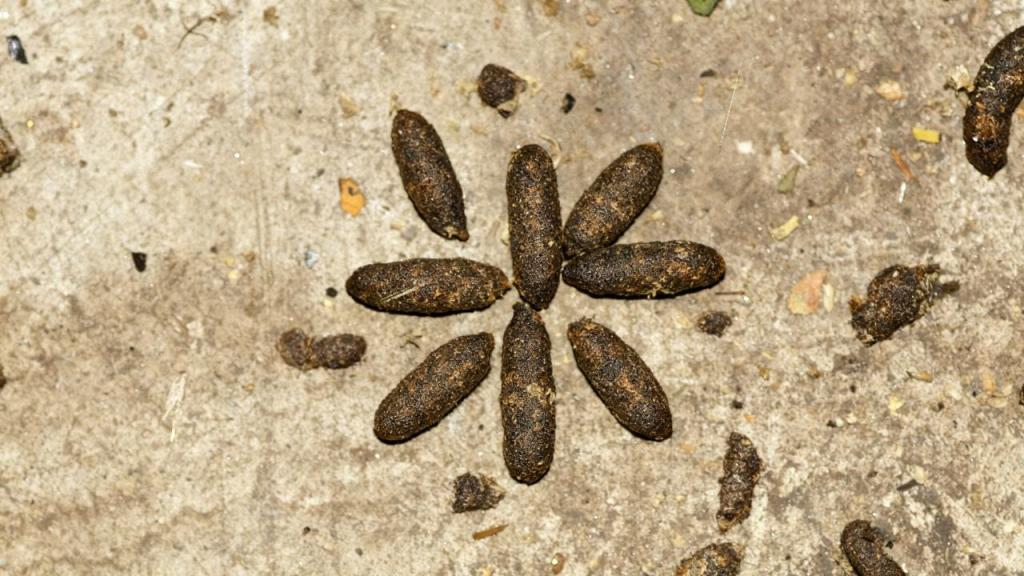
Look out for these tell-tale clues:
- Dark, current-sized droppings left in clusters
- Gnaw marks on wood, wires, or pipes
- Torn food packaging or nesting material
- Footprints and tail marks in dusty areas
- Greasy smears along walls from repeated travel routes
- Scratching, scuttling, or chattering sounds, especially at night
Why Rats Are More Common in Autumn
During summer, rats have plenty of cover and food outdoors. But as crops gets harvested and the weather cools, they move indoors. Homes, sheds, and businesses become attractive for warmth and easy access to food from ponds, compost bins and spilt bird food.
Although normally nocturnal, rats are often seen in daylight during autumn and winter because they are under pressure to survive.
Rat Biology and Behaviour
- Brown rats can weigh up to 500g and grow around 23cm long (excluding tail).
- Black rats are slimmer with longer tails and larger ears.
- Rats are expert climbers, jumpers, and swimmers.
- They breed at a rapid rate – one pair can lead to thousands of youing in a single year.
- Wild rats live for around a year, while pet rats can survive two to three years.
- Whiskers are highly sensitive and help them navigate, especially since they have poor eyesight.
- Rats have excellent hearing and can detect ultrasound far beyond human range.
What Rats Eat
Rats prefer cereal-based foods but will eat almost anything.
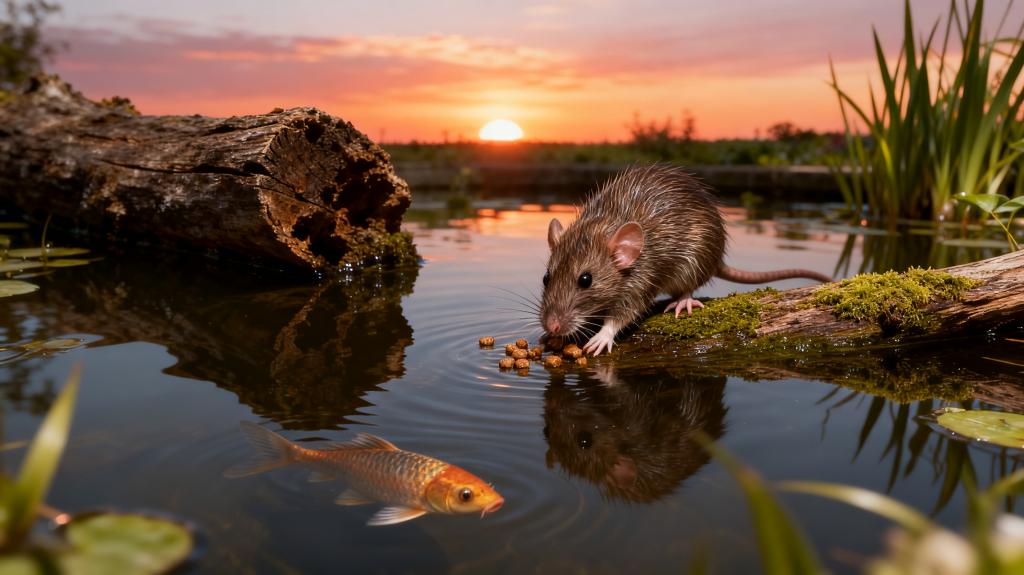
They are opportunistic and will feed on meat, insects, and even smaller rodents. On average, a rat eats around 50g of food a day.
Rat Bites Although rare, rats may bite when threatened. If you are bitten:
- Wash the wound thoroughly with warm water and soap.
- Apply antiseptic cream.
- Seek medical advice as rat bites can carry infection.
How to Prevent Rats
- Seal entry points – close up gaps larger than 15mm with wire wool and cement.
- Remove nesting spots – keep gardens tidy, cut back overgrowth, and clear wood piles.
- Protect compost – cover heaps with mesh to block burrowing.
- Check drains – ensure covers are intact and seal unused pipes.
- Feed birds wisely – avoid excess seed and clear feeders at night.
- Manage waste – close bin lids, clean containers, and avoid putting food waste out early.
Waste Management and Rats
- Keep bin lids sealed tightly.
- Replace cracked or damaged bins.
- Position bins away from doors and windows.
- Avoid putting loose food waste directly into bins.
- Wash bins regularly to reduce smells that attract rats.
- Only put rubbish out shortly before collection.
Getting Rid of Rats
DIY Control
Traps and poisons are available for public use, but success is often limited. Rats are cautious of new objects and may avoid them for days. Poisons must be used with care to prevent harm to pets, children, or wildlife. Dead rats can also create unpleasant smells if they die in hidden areas.
Professional Pest Control
Calling a pest controller, such as Protecta Pest Control, is often the quickest and safest way to deal with rats. Professionals:
- Carry out detailed inspections and locate entry points.
- Use professional-grade tools and rodenticides not available to the public.
- Apply integrated pest management methods combining proofing, trapping, and safe chemical use.
- Provide written reports after treatment.
The Problem of “Super Rats”
Some rats have developed resistance to common poisons. Known as “super rats”, they survive treatments that would once have been effective.
Because of this, rodenticides should always be the last option. Professional pest controllers will first look to exclude and trap, only turning to poison when absolutely necessary.
Final Word
Rats are a serious problem across the UK, causing health risks, property damage, and stress in homes and businesses. Acting quickly makes all the difference.
If you’ve spotted the signs of rats, or want help preventing an infestation, contact Protecta Pest Control today.
📞 Call Gregg or Norma on 07398 674924 for fast, professional advice and treatments.