


 Rat on the worktop
Rats in the kitchen can be a homeowner's nightmare. Not only do they pose health risks, but they can also cause significant damage to your property. If you suspect that these unwelcome guests have made their way into your kitchen, it’s crucial to act swiftly and effectively.
Identifying the Presence of Rats
The first step in tackling a rat problem is to confirm their presence. Look out for telltale signs such as:
- Droppings: Small, dark droppings are a clear indication.
- Gnaw Marks: Check for bite marks on food packaging or wooden structures.
- Sounds: Listen for scratching or scurrying noises, especially at night.
Immediate Actions to Take
Once you've identified a rat issue, it’s important to take immediate action:
- Clean Up: Ensure your kitchen is spotless. Rats are attracted to food remnants.
- Seal Food: Store all food items in airtight containers.
- Close Entry Points: Inspect your kitchen for any gaps or holes that could serve as entry points for rats and seal them.
The Importance of Professional Help
While DIY methods can provide temporary relief, the safest and most effective way to deal with rats is to seek professional help. Our rat control services specialize in identifying, removing, and preventing rat infestations in a manner that’s safe for you and your family.
Long-Term Prevention Strategies
To ensure your kitchen remains rat-free in the long run:
- Regularly inspect your kitchen for potential entry points.
- Maintain cleanliness and proper food storage habits.
- Consider routine pest control inspections.
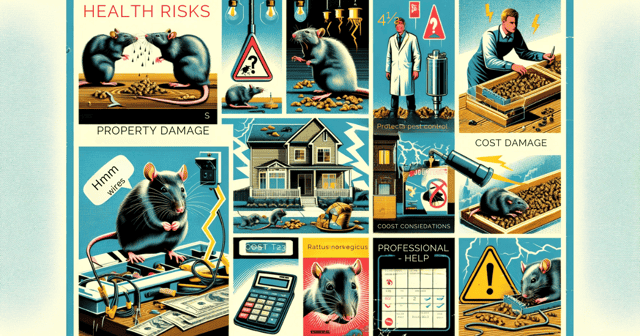 Rat Damage
Understanding Rat Behavior and Risks
Rats are not just a nuisance; they pose several risks to your home and health. Understanding their behavior is key to effective control.
- Health Risks: Rats are known carriers of diseases, which can be transmitted through their droppings, urine, or saliva.
- Property Damage: Rats have a habit of gnawing on electrical wires, woodwork, and plumbing, leading to costly repairs.
DIY Rat Control: Dos and Don'ts
While professional help is recommended, there are several DIY measures you can take:
- Do: Use traps strategically placed around suspected rat activity areas.
- Don't: Use poison baits as they can be harmful to pets and children.
When to Contact a Professional
There are certain situations where contacting a professional is necessary:
- Persistent Problem: If rat sightings and signs continue despite taking preventive measures.
- Large Infestation: A professional can assess and handle larger, more complex infestations.
Cost Considerations
Understanding the cost involved in professional rat control can help in decision making:
- Service Variability: Costs can vary depending on the extent of infestation and treatment needed.
- Investment in Safety: Investing in professional pest control can save money in the long run by preventing property damage and health risks.
Advanced Prevention: Keeping Rats Out for Good
Preventing rats from entering your kitchen is far more effective than dealing with an infestation. Here are advanced strategies:
- Regular Inspections: Regularly inspect and repair any gaps or holes in walls, floors, and foundations.
- Proper Waste Management: Keep garbage bins sealed and dispose of waste regularly.
- Landscaping Maintenance: Trim overgrown vegetation near your home, as it can provide shelter for rats.
The Role of Hygiene in Rat Control
Maintaining a high level of cleanliness is crucial in deterring rats:
- Regular Cleaning: Regular cleaning reduces food particles and grease that attract rats.
- Food Storage: Store food in sealed containers and avoid leaving pet food out overnight.
Professional Rat Proofing Solutions
In addition to removal, professional rat proofing is key:
- Sealing Entry Points: Professionals can identify and seal all potential entry points.
- Long-term Solutions: They provide solutions that offer long-term protection against rat infestations.
The Importance of Regular Pest Control Inspections
Regular inspections by pest control professionals can:
- Identify potential rat problems early.
- Provide peace of mind through ongoing protection.
Final Thoughts
Dealing with rats in the kitchen requires a combination of immediate action, preventive measures, and professional assistance. By understanding rat behavior, taking proactive steps, and relying on expert services, you can ensure your kitchen remains a safe and rat-free environment.
 high-tech kitchen with advanced rat prevention methods.
 Rat free kitchen
 Conclusion: Ensuring a Rat-Free Kitchen
Rats in the kitchen can be distressing, but with the right approach, you can effectively control and prevent infestations. Remember, the key is to act quickly, adopt preventive measures, and seek professional help when needed. By understanding the risks, adopting proper hygiene practices, and utilizing professional services, you can maintain a healthy, rat-free environment in your kitchen.
Recap of Key Strategies
- Identify Early: Be vigilant for signs of rats and act promptly upon discovery.
- Cleanliness is Crucial: Maintain a high level of hygiene and proper food storage.
- Seal and Secure: Regularly inspect and repair any potential entry points.
- Professional Assistance: For persistent or large infestations, professional help is essential.
- Regular Inspections: Schedule regular pest control inspections for early detection and peace of mind.
Remember, You're Not Alone
Dealing with rats can be overwhelming, but you're not alone. At Protecta Pest Control, we offer expert advice, effective solutions, and professional services tailored to your specific needs. Whether it’s a one-time issue or you require ongoing support, we’re here to help. For more information, visit Protecta Pest Control.
By following these guidelines and seeking the right support, you can keep your kitchen safe and rat-free. Remember, proactive measures and expert assistance are your best defense against these unwelcome intruders.